
Bathtub Refinishing Benefits and Tips
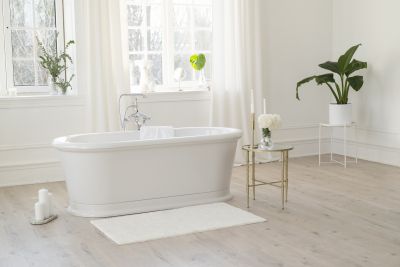
Spring offers optimal conditions with moderate temperatures and low humidity, aiding proper drying and curing of refinished surfaces.
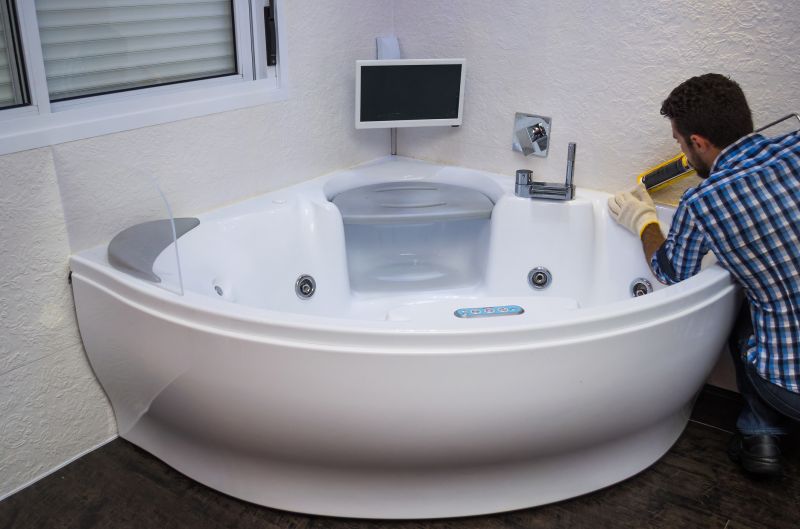
Summer provides warm weather that accelerates drying times, but high humidity levels may require additional precautions.
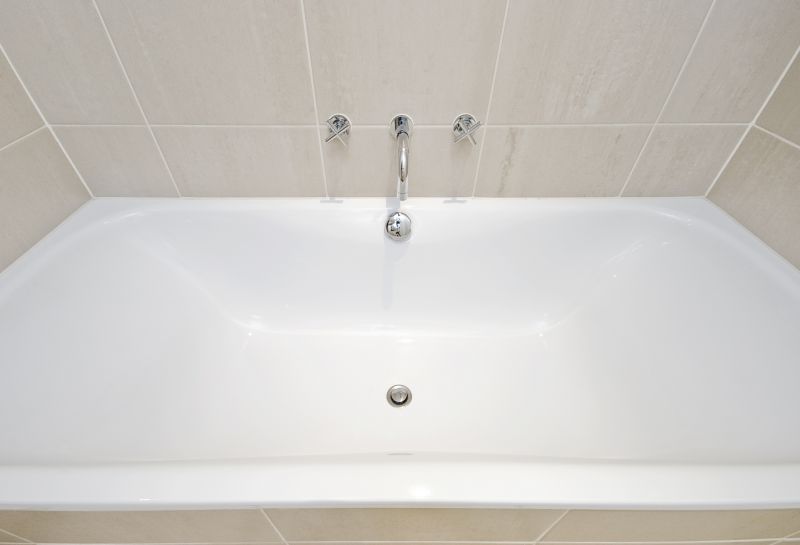
Fall's cooler temperatures and lower humidity can be ideal for refinishing projects, ensuring quality results.
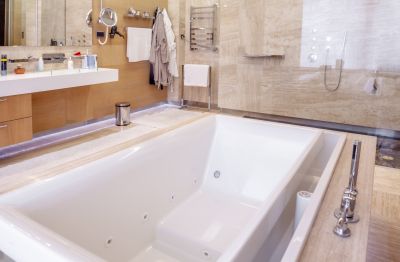
Ways to make Bathtub Refinishings work in tight or awkward layouts.
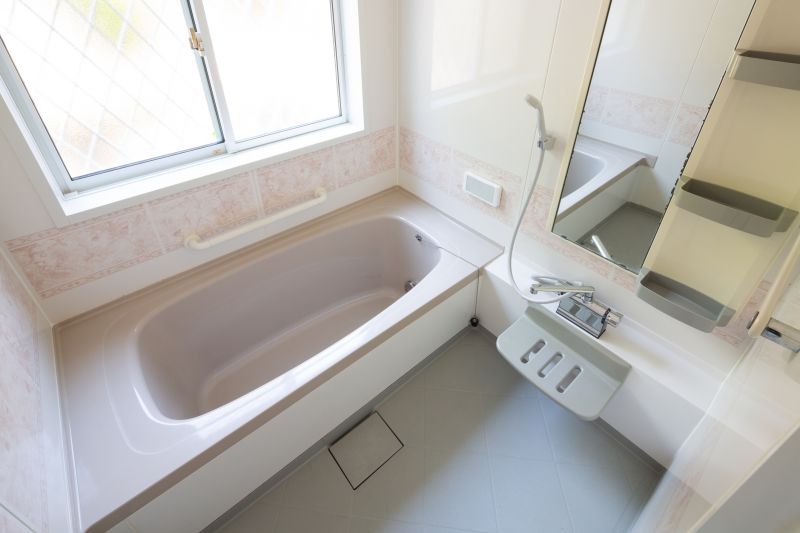
Popular materials for Bathtub Refinishings and why they hold up over time.
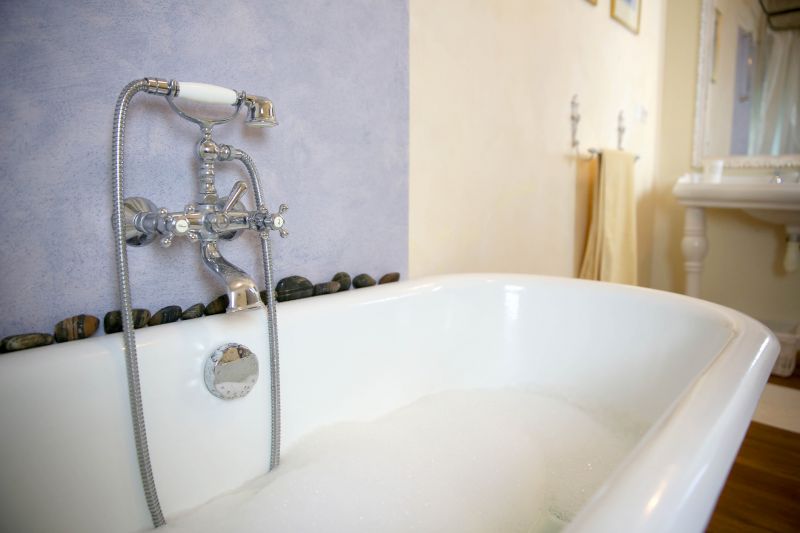
Simple add-ons that improve Bathtub Refinishings without blowing the budget.
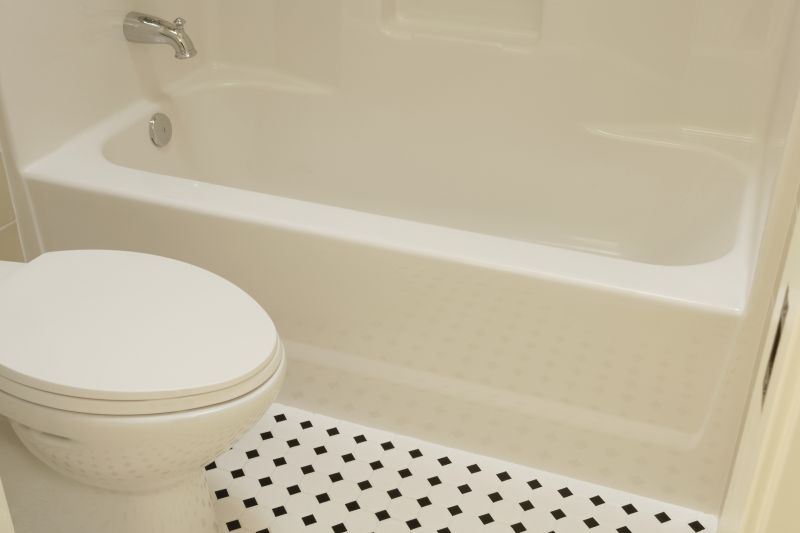
High-end options that actually feel worth it for Bathtub Refinishings.
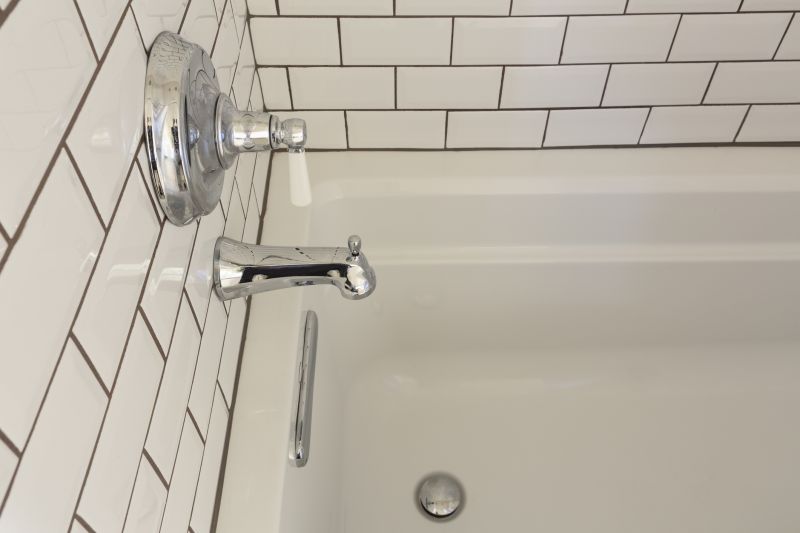
Finishes and colors that play nicely with Bathtub Refinishings.
Bathtub refinishings involve applying a new coating to restore the surface's appearance and durability. This process typically includes cleaning, sanding, and applying a specialized coating that adheres to the existing surface. Refinishing can extend the lifespan of a bathtub by several years and improve its aesthetic appeal. On average, refinishing costs are significantly lower than replacing a bathtub, making it a cost-effective solution for homeowners. Proper timing and environmental conditions are crucial to ensure a successful refinishing process, with optimal results achieved during periods of moderate temperature and low humidity.
Refinishing can restore a bathtub's surface, improve appearance, and reduce the need for costly replacements.
Optimal conditions include temperatures between 60-80°F and humidity levels below 50% for proper curing.
Most refinishing projects are completed within 4 to 6 hours, with a curing period of 24 to 48 hours.
Bathtubs can typically be refinished every 10-15 years, depending on usage and care.
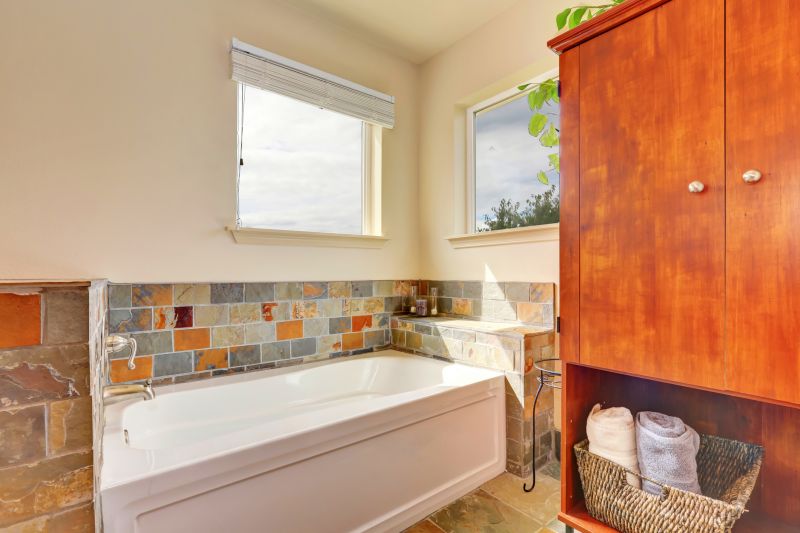
A smooth, glossy surface that looks like new.
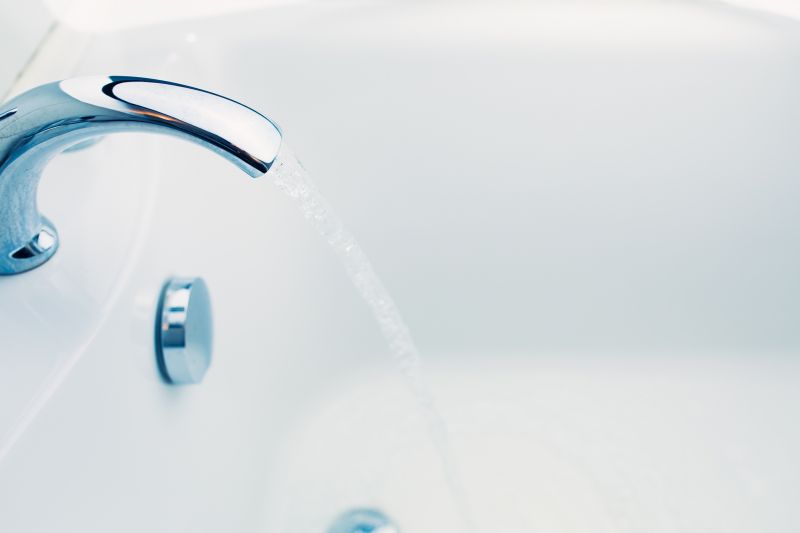
Cleaning and sanding to ensure proper adhesion.
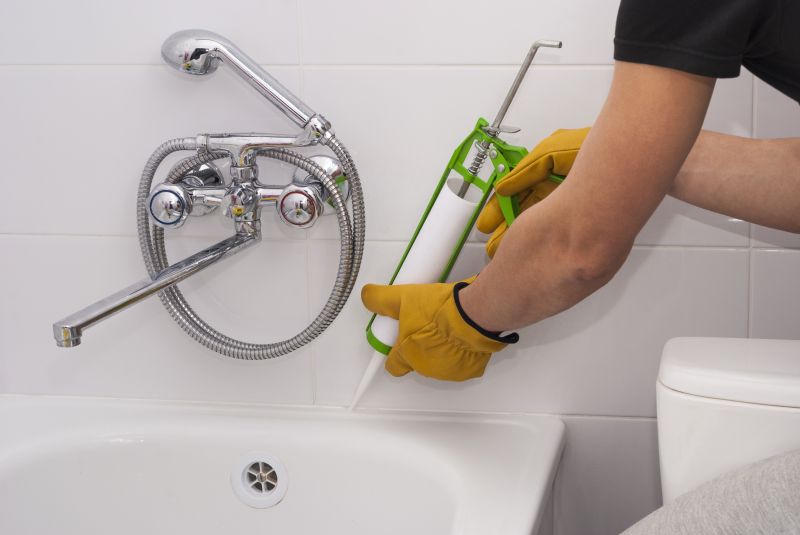
Evenly applying the refinishing material for a uniform finish.
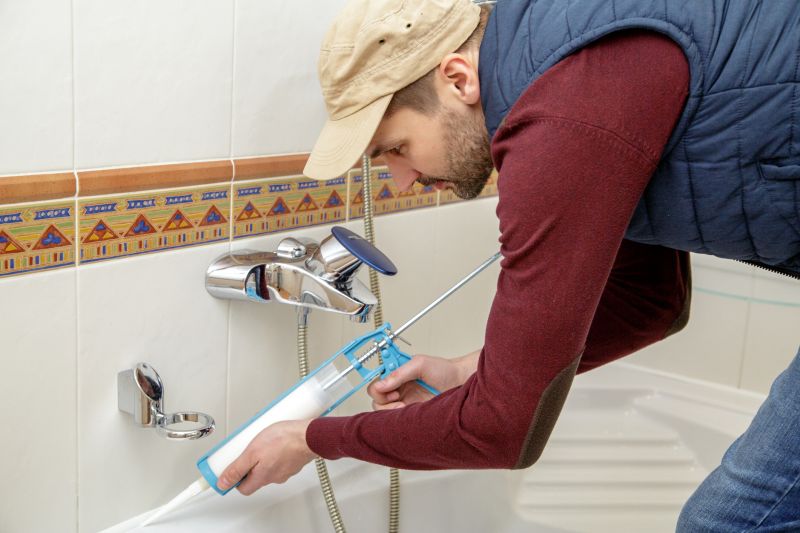
Allowing the coating to set and cure properly for durability.
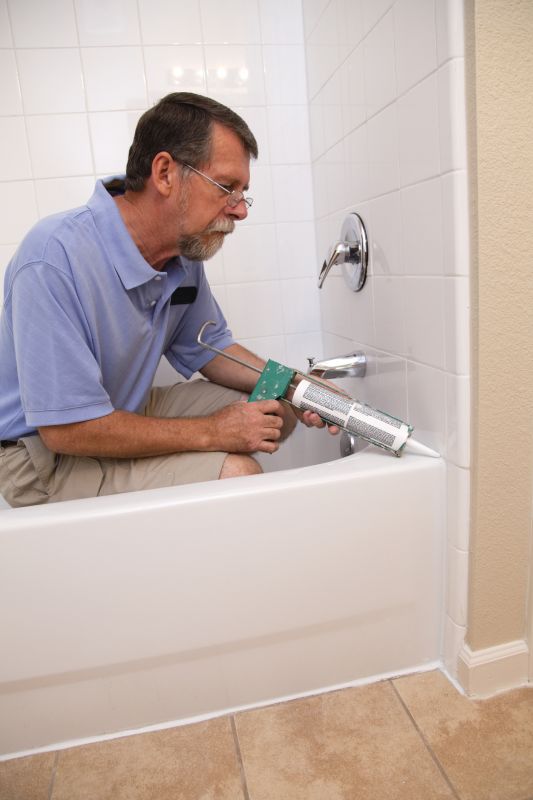
Little measurements that prevent headaches on Bathtub Refinishings day.
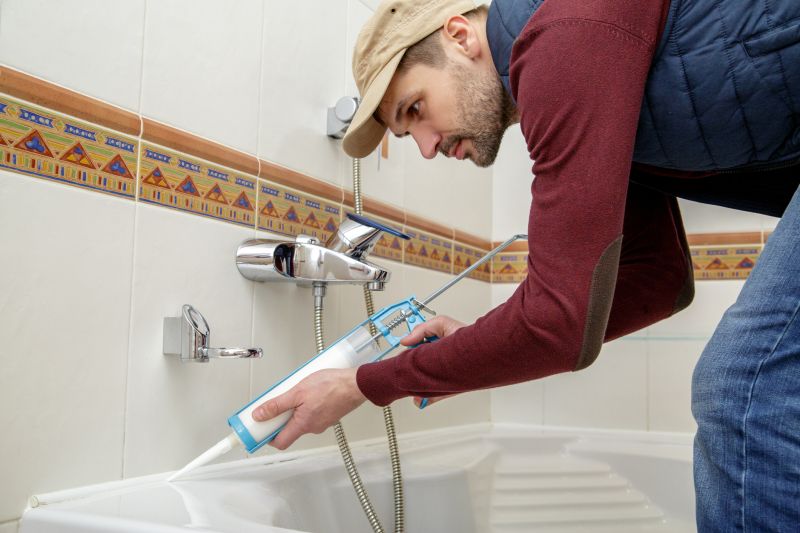
A 60-second routine that keeps Bathtub Refinishings looking new.
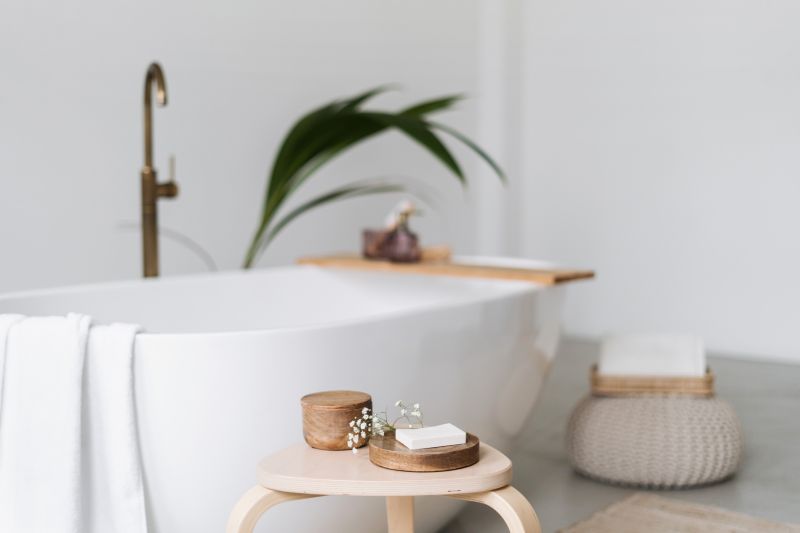
A frequent mistake in Bathtub Refinishings and how to dodge it.
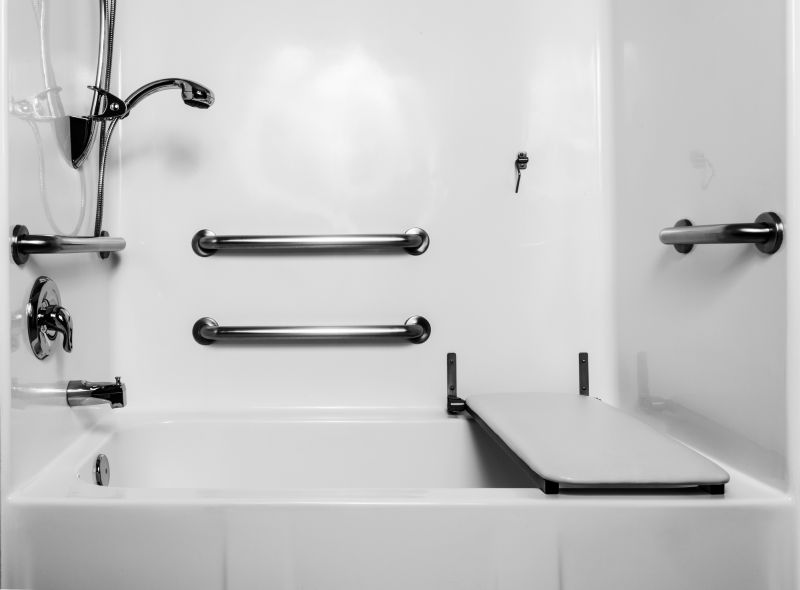
Small tweaks to make Bathtub Refinishings safer and easier to use.
| Season | Ideal Temperature Range |
|---|---|
| Spring | 60-75°F |
| Summer | 70-80°F |
| Fall | 60-70°F |
| Winter | Not recommended due to low temperatures |
Timing refinishing projects during the appropriate seasons can influence the quality and longevity of the results. Proper environmental conditions help prevent issues such as peeling, bubbling, or improper curing. Homeowners should consider local climate patterns and plan refinishing during periods of stable temperature and low humidity. Consulting with professionals can provide guidance on the best timing based on specific environmental factors and project requirements.
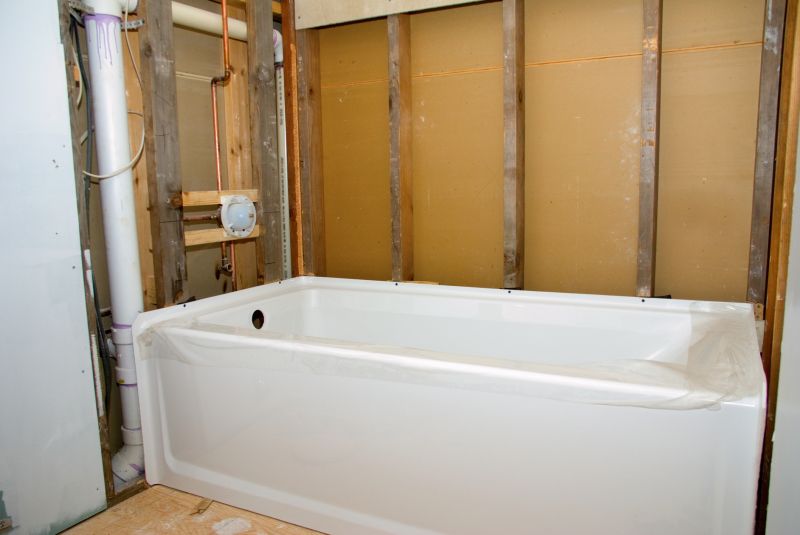
A worn and stained bathtub surface.
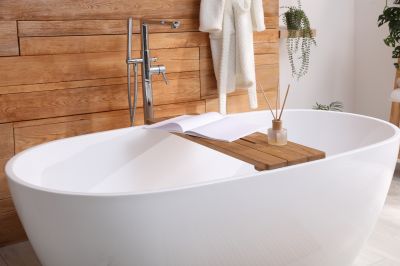
Application of new coating on the bathtub surface.
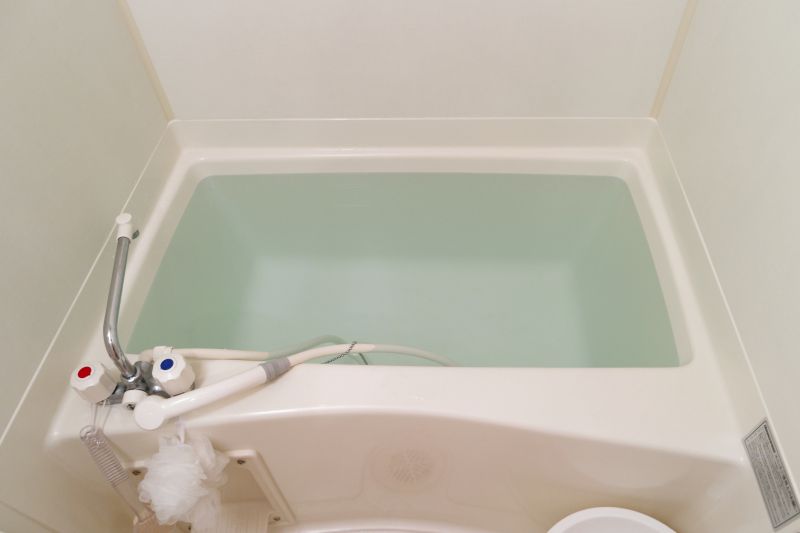
A restored, glossy bathtub surface.
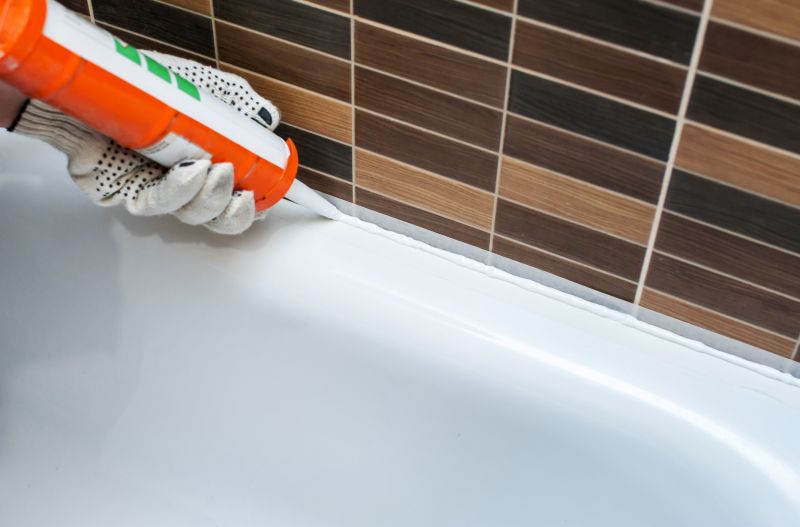
A durable and attractive new finish.
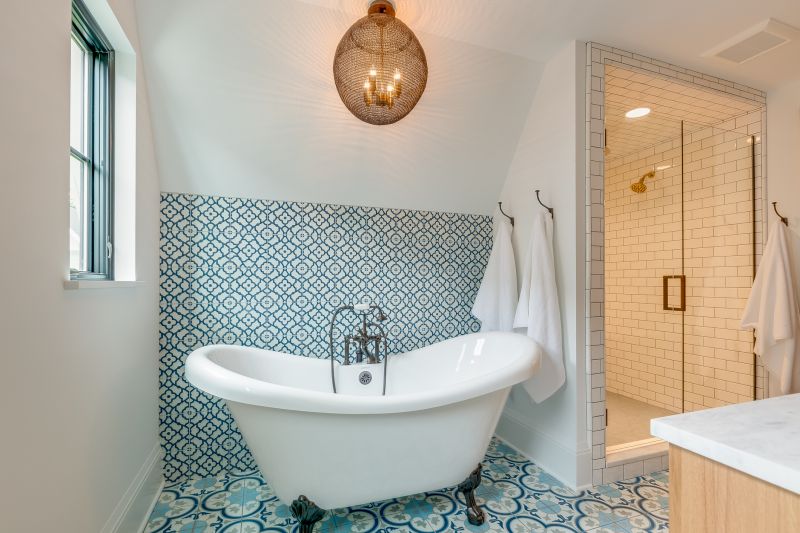
Lower-waste or water-saving choices for Bathtub Refinishings.
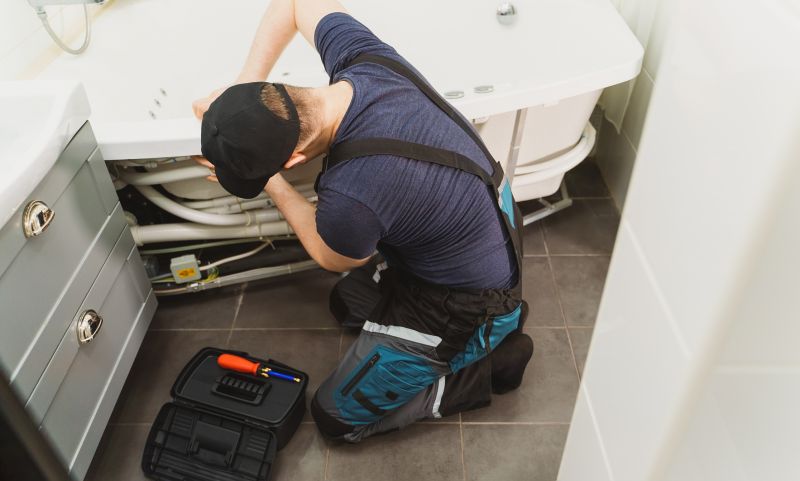
The short, realistic tool list for quality Bathtub Refinishings.
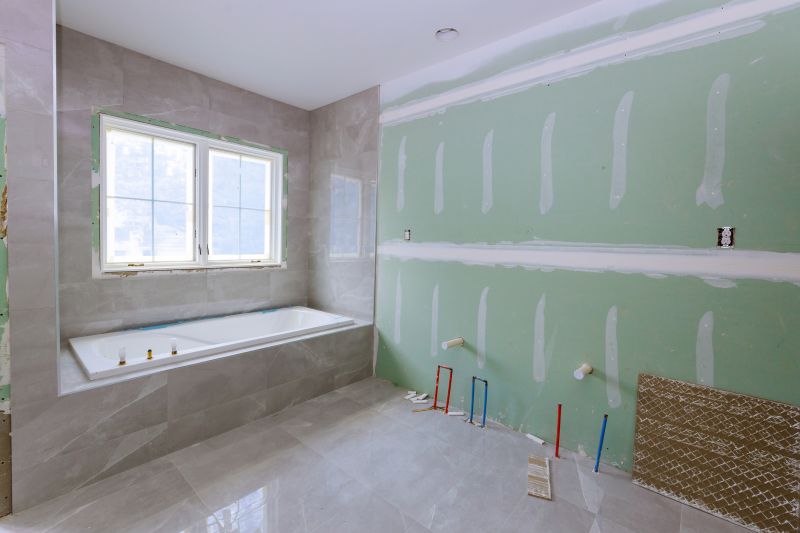
Rough timing from prep to clean-up for Bathtub Refinishings.
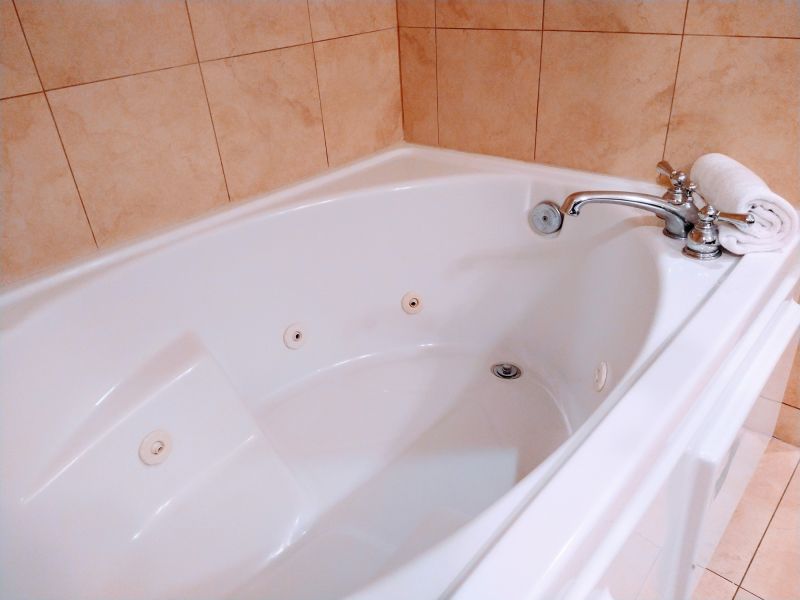
Quick checks and paperwork to keep after Bathtub Refinishings.
Choosing the right time for bathtub refinishing can ensure the best possible outcome. Avoiding extreme weather conditions, such as high humidity or freezing temperatures, helps maintain the integrity of the coating. Proper planning and environmental control during the process are essential for achieving a durable and aesthetically pleasing finish.
Interested in refurbishing a bathtub? Filling out the contact form can provide additional information and facilitate scheduling a refinishing project at a suitable time for optimal results.